
Complement this information with Celiac disease: follow-up details

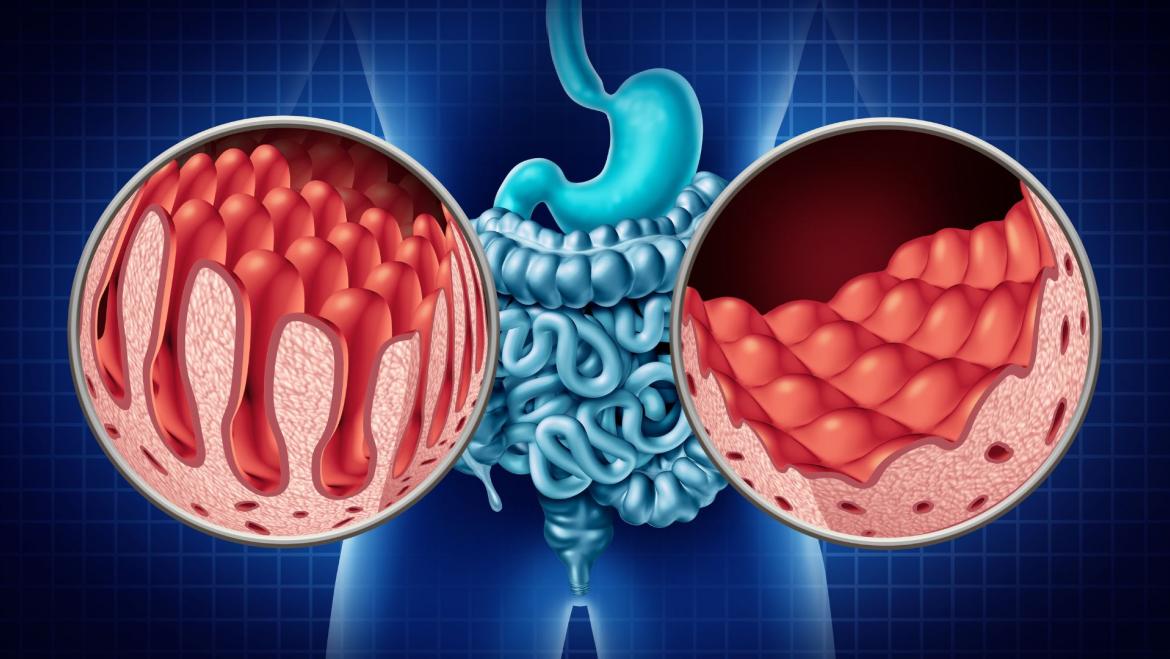
Ingesting gluten in someone with celiac disease will cause ongoing damage to the small intestine. This can lead to problems absorbing essential nutrients, resulting in nutritional deficiencies and their associated health problems.

The constant presence of gluten in the diet of a celiac can cause chronic gastrointestinal symptoms such as abdominal pain, diarrhea, constipation, bloating, and gas.

Intestinal damage can interfere with the proper absorption of iron, folic acid, calcium, vitamin D, and other important vitamins and minerals. This can lead to anemia, osteoporosis, growth problems in children, and other health issues related to nutritional deficiencies.

Untreated celiac disease has been linked to an increased risk of developing other serious medical conditions, including autoimmune diseases (such as type 1 diabetes and thyroiditis), liver disease, neurological disorders, infertility, miscarriages, and bone fractures.

Persistent intestinal damage in people with untreated celiac disease may increase the risk of developing intestinal lymphoma and other types of gastrointestinal cancer.

In summary, not following a gluten-free diet every day can have serious long-term health consequences for people with celiac disease. It is essential for their well-being to adhere to a strict gluten-free diet and avoid consuming any food that contains or has come into contact with gluten.