
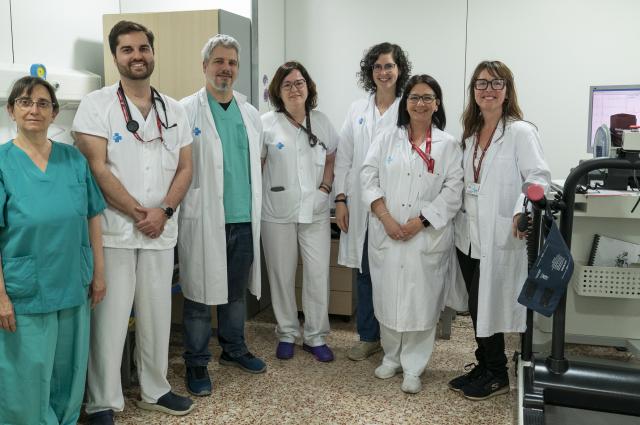
This innovative initiative in post-myocardial infarction (post-AMI) management marks a milestone as the first experience of its kind in Spain.
The Artemis project, part of the post-AMI territorial program in the South Metropolitan region, offers an innovative and proactive approach to secondary cardiovascular prevention.
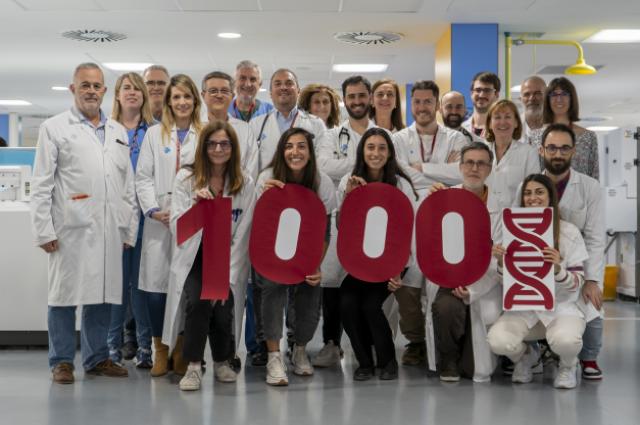
"The Clinical Genetics Unit of Bellvitge University Hospital (HUB), affiliated with the Southern Metropolitan Clinical Laboratory (LCTMS), marks a significant milestone, having provided care to over a thousand families within three years of its inception."
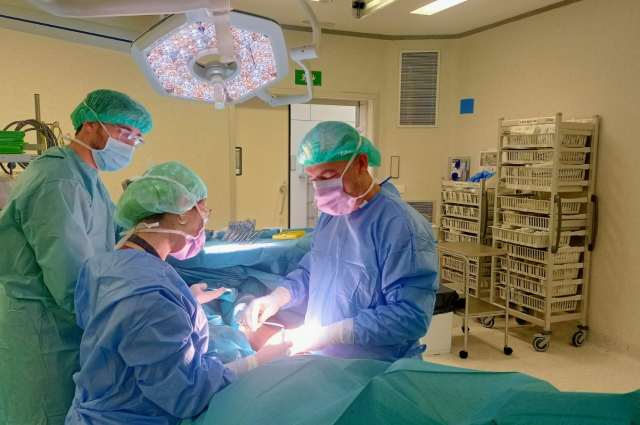
Last November, the team from the Angiology and Vascular Surgery Service at Bellvitge University Hospital (HUB) performed Catalonia's first implantation of a valved vein segment for the treatment of chronic venous insufficiency.
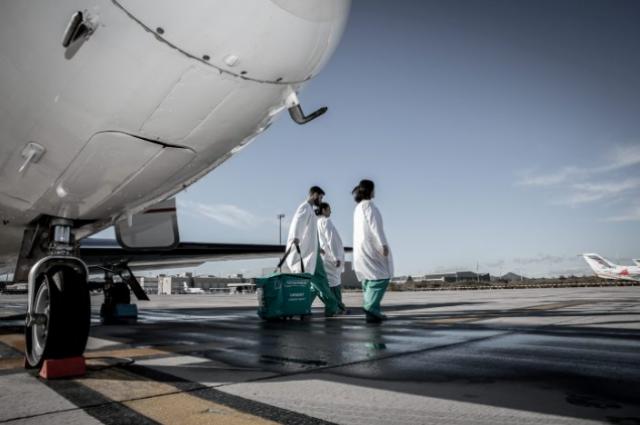
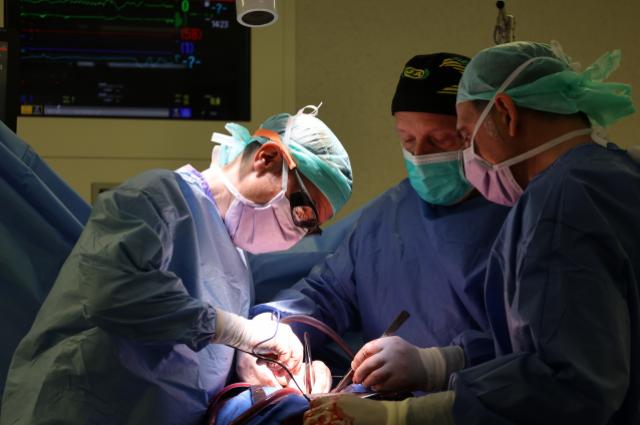
It was the hospital that carried out the most heart transplants in Catalonia
It has also once again been the leader in tissue donation among the Catalan health centres
Dr. José González-Costello, Coordinator of the Heart Failure Unit at Bellvitge University Hospital's Cardiology Service, spearheads the revision of heart transplantation distribution criteria in Spain for 2023. Published in the Revista Española de Cardiología, the article has received approval from key entities, including the Spanish Heart Failure Association-Spanish Society of Cardiology (SEC-Heart Failure Association), the Spanish National Transplant Organisation (ONT), and the Spanish Society of Cardiovascular and Endovascular Surgery (SECCE). Notably, other professionals from Bellvitge University Hospital (HUB) involved in the review include Dr Eva Oliver, from the Intensive Care Unit (ICU) and transplant coordinator, Dr José Carlos Sánchez Salado, specialist in the Cardiology Service, as well as Dr Nicolás Manito, former director of the Transplant Programme until his retirement.